SEND support
Specialist SEND support, built around your child
We’re needs led, not diagnosis led. In line with the SEND Code of Practice, we consider needs across four broad areas, recognising that a learner’s needs may overlap. A formal diagnosis is not required to discuss support with Edjuvera.
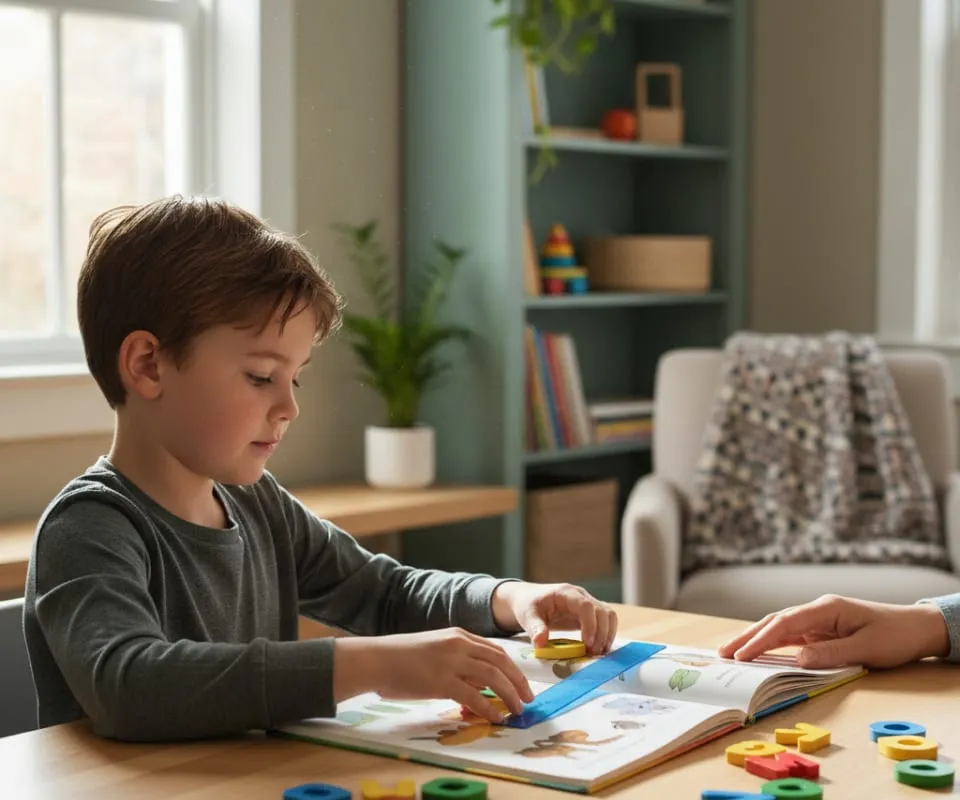
Our approach
We start with the child, not the label
A diagnosis can help us understand a learner’s needs, but it is only one part of the picture. Before tuition begins, we take time to understand each learner’s strengths, interests, challenges and preferred ways of learning.
We then develop a personalised learning plan, match the learner with a tutor whose experience is appropriate to their needs, and review progress regularly. Many of the learners we support have multiple or overlapping needs, and a formal diagnosis is not required for us to begin understanding how best to support them.
What we offer
Support is tailored to each learner and may include:
- One to one tuition at home or online
- Personalised learning plans
- Support to rebuild confidence and engagement with learning
- Support for learners with multiple or overlapping needs
- Regular progress reports
Jump to a needCommunication & Interaction · Autism

Broad area of need
Communication & Interaction
For learners who may need additional support with communication, understanding and using language, social interaction or expressing their needs and ideas.
Autism
Predictable, sensory-aware sessions

Autistic learners have individual strengths, needs and ways of communicating, interacting and learning. We take time to understand each learner and adapt tuition to their communication preferences, sensory needs, interests and learning style. Our tutors use clear structure, appropriate routines and personalised teaching approaches to help learners feel comfortable, engaged and confident in their learning.
What it can look like
- Finding changes, noise or busy environments overwhelming
- Having strong or highly focused interests
- Preferring clear, direct and literal communication
- Feeling anxious about unfamiliar people, environments or activities
- Showing different strengths across areas of learning and needing additional support in some areas
How we adapt sessions
- A clear and predictable session structure, adapted to the individual learner
- Visual timetables, prompts and step by step activities where helpful
- A sensory aware learning environment, with movement or regulation breaks when needed
- Using the learner’s interests to support engagement and make learning meaningful
- For learners who experience demand avoidance or have a strong need for autonomy, using flexible language, appropriate choices and an individualised approach
What parents notice
We aim to create sessions where learners feel understood, supported and able to engage with learning at a pace that works for them.
Speech, Language and Communication Needs (SLCN)
Supporting learners with communication, language and interaction needs
Supporting learners with communication, language and interaction needs
Content to follow
Same structure as Autism and Dyslexia: what it can look like, how we adapt sessions, what parents notice and a related guide.
Developmental Language Disorder
Personalised learning support for learners with persistent language difficulties
Personalised learning support for learners with persistent language difficulties
Content to follow
Same structure as Autism and Dyslexia: what it can look like, how we adapt sessions, what parents notice and a related guide.

Broad area of need
Cognition & Learning
For learners who may need additional support with processing information, memory, literacy, numeracy, organisation, problem solving or developing and applying new learning.
Dyslexia
Multisensory, structured literacy

Dyslexia is a learning difference that mainly affects reading, spelling and the processing of language. It is not related to intelligence, and every dyslexic learner has their own pattern of strengths and areas where they may need additional support.
What it can look like
- Reading that is slower, less fluent or requires more effort
- Difficulty recognising, remembering or decoding unfamiliar words
- Inconsistent spelling, even with familiar words
- Finding it difficult to remember sequences, instructions or new information
- Becoming tired or frustrated during reading and writing tasks
- Finding it easier to explain ideas verbally than to organise them in writing
How we adapt sessions
- Structured literacy support, broken into clear and manageable steps
- Using a combination of visual, verbal and practical approaches where helpful
- Regular opportunities to revisit and practise key skills, vocabulary and spelling patterns
- Reading materials selected to suit both the learner’s level and their interests
- Extra processing time and reduced pressure when reading or writing
- Helpful tools such as word banks, visual prompts, text to speech or speech to text where appropriate
- Building on the learner’s strengths while providing targeted support in areas they find more difficult
What parents notice
To make literacy learning more accessible and manageable, helping learners develop skills, confidence and greater independence at a pace that works for them.
Dyscalculia
Support for coordination, organisation and access to learning
Support for coordination, organisation and access to learning
Content to follow
Same structure as Autism and Dyslexia: what it can look like, how we adapt sessions, what parents notice and a related guide.
Developmental Coordination Disorder (DCD), including dyspraxia
Support for coordination, organisation and access to learning Developmental Coordination Disorder, often referred to as dyspraxia, affects movement and coordination and can make some everyday and educational activities more difficult. Learners may also experience challenges with organisation, handwriting, completing tasks and learning new physical skills. The impact varies considerably from one learner to another.
Support for coordination, organisation and access to learning Developmental Coordination Disorder, often referred to as dyspraxia, affects movement and coordination and can make some everyday and educational activities more difficult. Learners may also experience challenges with organisation, handwriting, completing tasks and learning new physical skills. The impact varies considerably from one learner to another.
Content to follow
Same structure as Autism and Dyslexia: what it can look like, how we adapt sessions, what parents notice and a related guide.
Moderate Learning Difficulties (MLD)
Small steps, lots of practice, real progress
Small steps, lots of practice, real progress
Content to follow
Same structure as Autism and Dyslexia: what it can look like, how we adapt sessions, what parents notice and a related guide.
Literacy and numeracy needs
Closing gaps in reading, writing and maths
Closing gaps in reading, writing and maths
Content to follow
Same structure as Autism and Dyslexia: what it can look like, how we adapt sessions, what parents notice and a related guide.

Broad area of need
Social, Emotional and Mental Health Needs
For learners with sensory, hearing, vision or physical needs that may affect how they access learning and the learning environment.
ADHD
Short bursts, movement and momentum
Short bursts, movement and momentum
Content to follow
Same structure as Autism and Dyslexia: what it can look like, how we adapt sessions, what parents notice and a related guide.
Anxiety
Calm, predictable and low-pressure
Calm, predictable and low-pressure
Content to follow
Same structure as Autism and Dyslexia: what it can look like, how we adapt sessions, what parents notice and a related guide.
Emotional regulation needs
Trust and relationships first
Trust and relationships first
Content to follow
Same structure as Autism and Dyslexia: what it can look like, how we adapt sessions, what parents notice and a related guide.
Emotionally Based School Avoidance (EBSA)
Rebuilding the habit of learning
Rebuilding the habit of learning
Content to follow
Same structure as Autism and Dyslexia: what it can look like, how we adapt sessions, what parents notice and a related guide.

Broad area of need
Sensory & Physical Needs
For children whose sensory, hearing, vision or physical needs affect how they access learning.
Sensory processing differences
Sensory-aware settings and regulation breaks
Sensory-aware settings and regulation breaks
Content to follow
Same structure as Autism and Dyslexia: what it can look like, how we adapt sessions, what parents notice and a related guide.
Hearing impairment
Clear, visual and well-paced communication
Clear, visual and well-paced communication
Content to follow
Same structure as Autism and Dyslexia: what it can look like, how we adapt sessions, what parents notice and a related guide.
Visual impairment
Accessible materials and learning tools
Accessible materials and learning tools
Content to follow
Same structure as Autism and Dyslexia: what it can look like, how we adapt sessions, what parents notice and a related guide.
Physical disabilities
Adapted tasks, equipment and pacing
Adapted tasks, equipment and pacing
Content to follow
Same structure as Autism and Dyslexia: what it can look like, how we adapt sessions, what parents notice and a related guide.
We also support
Every child is different. If you don’t see your child’s need here, just ask.
- PDA profiles
- Dysgraphia
- Processing difficulties
- Global developmental delay
- Tourette’s and tics
- Medical needs
Working together
Joined-up support with home and school
We fit around the support your child already has, and keep everyone who helps them in the loop.
- 01
EHCPs
Sessions can be planned around the outcomes in your child’s EHCP, and our progress reports can support annual reviews.
- 02
Schools and SENCOs
With your permission, we share plans and progress with school so strategies stay consistent.
- 03
Local authorities
We welcome referrals for children who need extra or alternative support, with clear reporting throughout.
- Enhanced DBS checked tutors
- Experienced SEND tutors
For parents & carers
Let’s find the right support for your child
Book a free 20 minute consultation to discuss your child’s strengths, needs and learning goals. We’ll explore how Edjuvera may be able to support them and explain the next steps, with no obligation to proceed.
Book a free consultationFor schools & local authorities
Refer a learner for personalised support
Refer a child or young person for personalised tuition and SEND support. We’ll review the information provided, consider suitability and availability, and discuss the most appropriate next steps.
Refer a learner